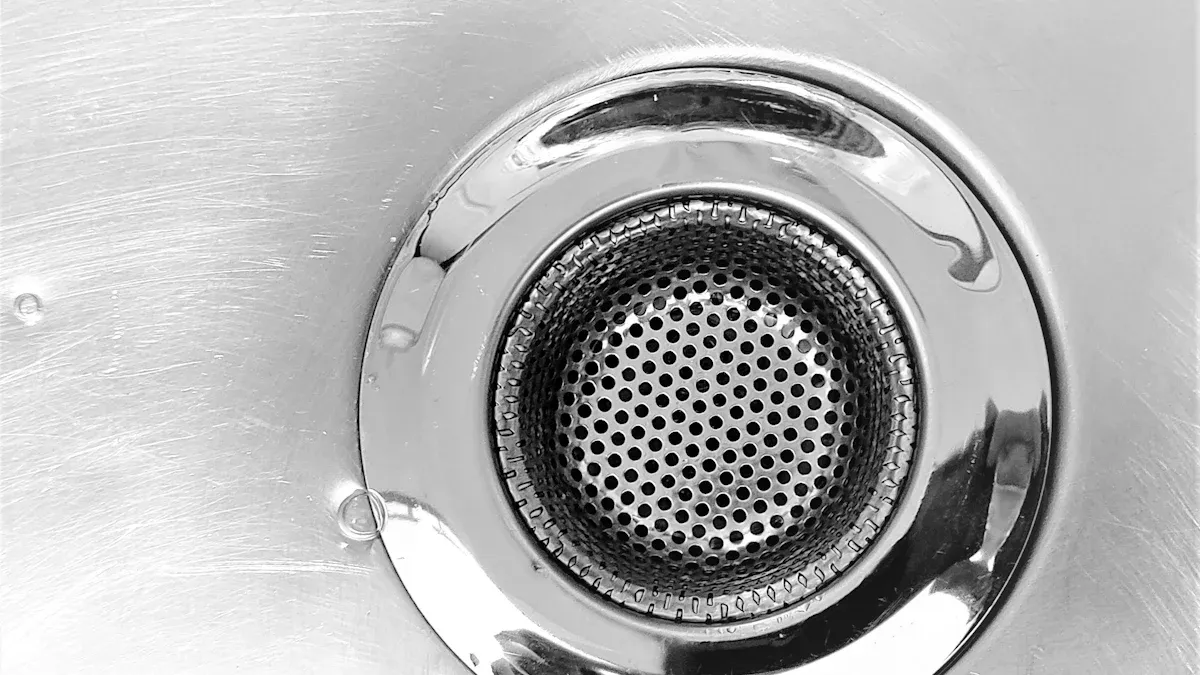
Taking care of your Linear Drain doesn’t need to be complicated. Regular maintenance keeps it working smoothly and prevents clogs or unpleasant smells. A quick cleaning routine can save you from bigger problems down the road. Why wait for a costly repair when a little attention now can keep things flowing perfectly?
Key Takeaways
- Taking care of your linear drain stops clogs and bad smells. Cleaning it once a month can help avoid expensive fixes later.
- Try natural cleaners like baking soda and vinegar. These are good for your drain and safe for the planet.
- Check your drain for damage or leaks while cleaning. Fixing small problems early can stop bigger issues and keep your bathroom safe from water harm.
Why Maintaining Your Linear Drain MattersConsequences of Neglect
Ignoring your linear drain can lead to a host of problems. Over time, debris like hair, soap scum, and dirt builds up inside the drain. This can cause clogs that slow down water flow or even block it completely. A clogged drain isn’t just inconvenient—it can also lead to water pooling in your shower or bathroom, creating a slippery and unsafe environment.
Neglecting maintenance can also result in unpleasant odors. When debris sits in the drain for too long, it starts to break down and release bad smells. These odors can spread throughout your bathroom, making it less enjoyable to use. In some cases, neglect can even damage your drain. Corrosion or leaks may develop, leading to costly repairs or replacements.
Benefits of Regular Maintenance
Taking care of your linear drain has plenty of perks. First, it keeps water flowing smoothly, so you don’t have to deal with annoying clogs. Regular cleaning also prevents odors from forming, keeping your bathroom fresh and inviting.
Another benefit? You’ll extend the life of your drain. By removing debris and inspecting for wear, you can catch small issues before they turn into big problems. Plus, a well-maintained drain helps protect your bathroom from water damage. It’s a simple routine that saves you time, money, and stress in the long run.
Tip: Set a reminder to clean your drain monthly. A little effort now can save you a lot of trouble later!
Tools and Materials for Cleaning a Linear Drain
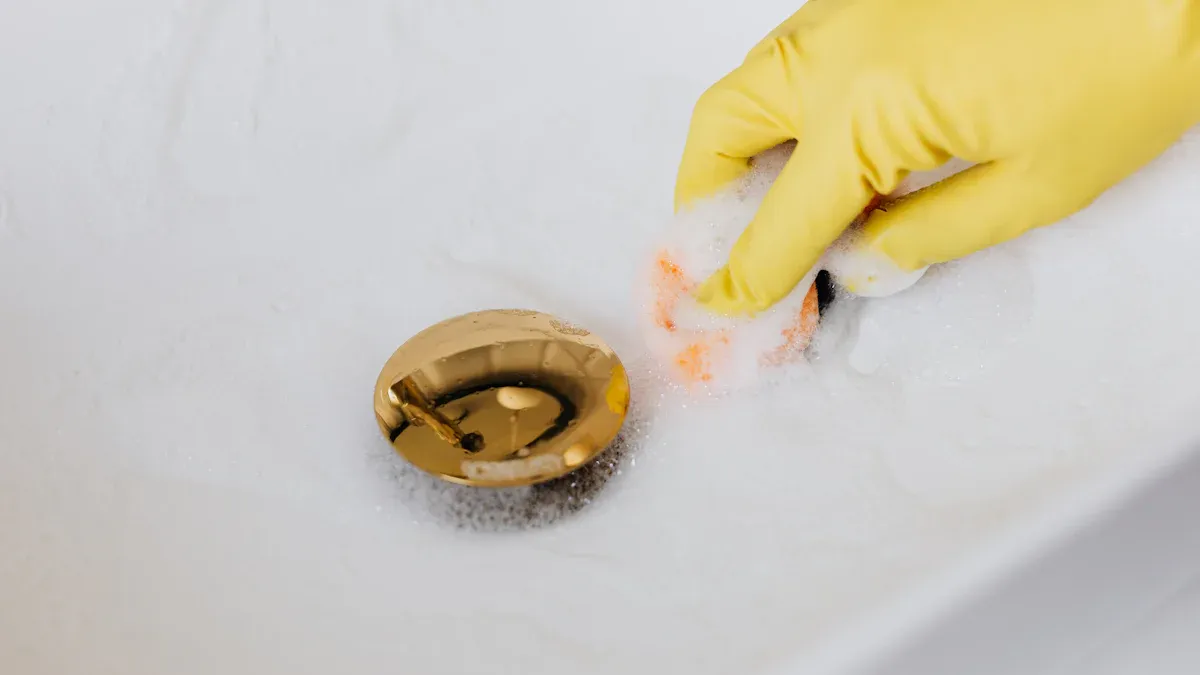
Keeping your linear drain clean doesn’t require fancy equipment. With the right tools and cleaning solutions, you can tackle the job quickly and effectively.
Essential Tools
To get started, gather a few basic tools. Here’s what you’ll need:
- Screwdriver: Use this to carefully remove the drain cover.
- Gloves: Protect your hands from dirt and grime.
- Drain brush or pipe cleaner: These help you reach inside the drain to scrub away debris.
- Tweezers or pliers: Perfect for grabbing hair or other stubborn clogs.
- Bucket or bowl: Use this to collect any water or debris you remove.
Having these tools on hand makes the cleaning process much easier. You probably already have most of them at home!
Recommended Cleaning Solutions
When it comes to cleaning solutions, you don’t need harsh chemicals. In fact, natural options work just as well and are safer for your drain and the environment. Here are some great choices:
- Baking soda and vinegar: This classic combo breaks down buildup and deodorizes your drain.
- Dish soap: A few drops mixed with warm water can cut through grease and grime.
- Hydrogen peroxide: Use this to disinfect and remove stubborn stains.
Tip: Avoid using bleach or other harsh chemicals. They can damage your linear drain over time. Stick to gentle, effective solutions for the best results.
With these tools and materials, you’re ready to keep your drain in top shape!
Step-by-Step Guide to Cleaning Your Linear Drain
Cleaning your linear drain might sound like a chore, but it’s actually pretty straightforward. Follow these steps, and you’ll have your drain working like new in no time.
Remove the Drain Cover
Start by carefully removing the drain cover. Most linear drains have a cover that’s secured with screws. Use a screwdriver to loosen them. If your drain cover doesn’t have screws, you can gently lift it off using your hands or a flat tool.
Tip: Place the screws in a small container or bowl so you don’t lose them. It’s easy for tiny parts to roll away during cleaning.
Once the cover is off, set it aside. You’ll clean it separately later.
Clear Debris and Hair
Now, take a look inside the drain. You’ll likely find hair, soap scum, and other debris. Put on a pair of gloves and use tweezers or pliers to pull out any visible clogs. For smaller bits, a drain brush or pipe cleaner works wonders.
Why this matters: Removing debris by hand prevents it from building up further down the drain, where it’s harder to reach.
Take your time with this step. The cleaner you get the drain, the better it will perform.
Use Natural Cleaning Solutions
Once you’ve cleared out the debris, it’s time to tackle any buildup inside the drain. A natural cleaning solution works best here. Sprinkle a generous amount of baking soda into the drain, then pour in an equal amount of vinegar. You’ll see it fizz—that’s the solution breaking down grime and deodorizing your drain.
Let the mixture sit for about 10-15 minutes. This gives it time to work its magic. If you prefer, you can also use a mix of dish soap and warm water to scrub away grease and dirt.
Note: Avoid harsh chemicals. They can damage your linear drain over time and aren’t great for the environment.
Flush with Hot Water
After the cleaning solution has done its job, flush the drain with hot water. Boil a kettle or use the hottest water from your tap. Slowly pour it down the drain to wash away any remaining residue.
This step not only clears out the cleaning solution but also helps dissolve any lingering grease or soap scum.
Reassemble the Drain
Finally, it’s time to put everything back together. Grab the drain cover you set aside earlier. Before reattaching it, give it a quick wipe with a damp cloth or sponge to remove any dirt or grime.
Secure the cover back in place using the screws or by snapping it into position. Make sure it’s properly aligned so water flows smoothly.
Congratulations! You’ve just cleaned your linear drain like a pro. Regular maintenance like this keeps your drain in top shape and prevents future problems.
Preventive Maintenance for Your Linear Drain
Preventive maintenance is the key to keeping your linear drain in excellent condition. By taking a few simple steps, you can avoid clogs, odors, and costly repairs. Let’s dive into some easy ways to keep your drain working like a charm.
Use a Drain Protector
A drain protector is your first line of defense against clogs. This small, inexpensive tool catches hair, soap residue, and other debris before it enters the drain. You can find drain protectors in various sizes and materials, so choose one that fits your linear drain perfectly.
Pro Tip: Clean the drain protector regularly. A quick rinse after each use prevents buildup and keeps it effective.
Using a drain protector not only reduces the risk of clogs but also makes cleaning your drain much easier. It’s a simple solution that saves you time and effort.
Clean Regularly
Regular cleaning is essential for maintaining your linear drain. Even with a drain protector, some debris can slip through. Set aside a few minutes each month to give your drain a thorough cleaning.
Here’s a quick routine:
- Remove the drain cover and clear out any visible debris.
- Use a natural cleaning solution, like baking soda and vinegar, to break down buildup.
- Flush the drain with hot water to wash away residue.
Why it matters: Regular cleaning prevents clogs and keeps your drain smelling fresh. It also helps you spot potential issues early.
Consistency is key. A little effort now can save you from bigger problems later.
Inspect for Leaks or Wear
Take a moment to inspect your linear drain during your cleaning routine. Look for signs of wear, such as cracks, rust, or loose fittings. Leaks can cause water damage to your bathroom floor, so catching them early is crucial.
If you notice any issues, address them right away. Tighten loose screws, replace worn-out parts, or call a professional for more serious repairs.
Reminder: Regular inspections help you stay ahead of problems. Don’t wait for a small issue to turn into a costly repair.
By keeping an eye on your drain’s condition, you can ensure it stays in top shape for years to come.
Avoid Harsh Chemicals
Harsh chemicals might seem like a quick fix for clogs, but they can do more harm than good. Over time, these chemicals can corrode your drain and damage its finish. They’re also harmful to the environment.
Instead, stick to natural cleaning solutions. Baking soda, vinegar, and hot water are effective and safe for your linear drain. If you need something stronger, look for drain cleaners labeled as safe for your specific type of drain.
Note: Avoid pouring grease or oil down the drain. These substances can harden and cause stubborn clogs.
Protecting your drain from harsh chemicals ensures it stays functional and looks great over time.
Common Linear Drain Issues and Fixes
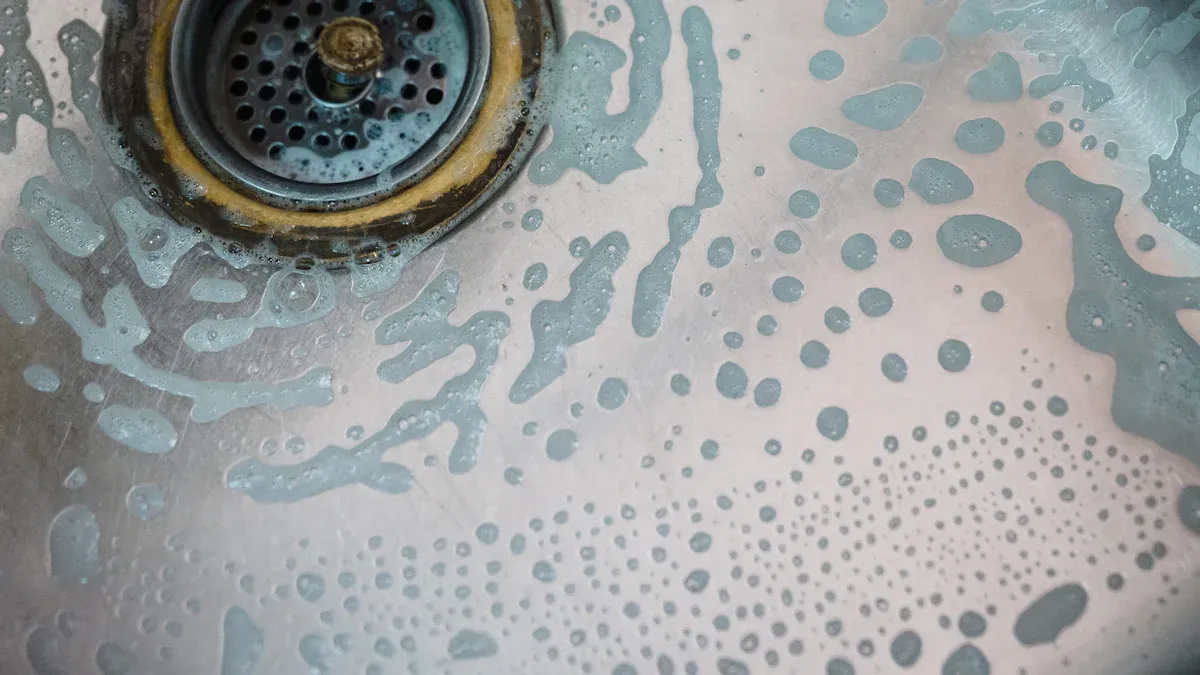
Even with regular maintenance, your linear drain can face some common issues. Don’t worry—most of these problems are easy to fix with a little effort. Let’s look at the most frequent culprits and how you can tackle them.
Hair Accumulation
Hair is one of the biggest offenders when it comes to clogged drains. It tends to collect over time, forming a tangled mess that blocks water flow. To fix this, grab a pair of tweezers or a drain brush and pull out the hair. Using a drain protector can help prevent this problem in the future.
Tip: Clean the drain protector after every shower to keep hair from building up.
Soap Scum and Mineral Deposits
Soap scum and mineral deposits can create a sticky residue inside your drain. This buildup slows water flow and can even trap other debris. To remove it, use a mix of baking soda and vinegar. Pour it into the drain, let it fizz for a few minutes, and then flush with hot water.
If you live in an area with hard water, consider installing a water softener to reduce mineral buildup.
Odors
A smelly drain can make your bathroom unpleasant. Odors usually come from trapped debris breaking down over time. To eliminate the smell, clean your drain regularly with natural solutions like baking soda and vinegar. For a quick fix, sprinkle baking soda into the drain and follow it with hot water.
Pro Tip: Keep your drain fresh by cleaning it monthly.
Slow Drainage
If water takes forever to drain, it’s likely due to a partial clog. Hair, soap scum, and other debris can restrict water flow. Start by removing visible debris with a drain brush or tweezers. Then, use a natural cleaning solution to clear the blockage. Regular maintenance can help you avoid this issue altogether.
By addressing these common problems, you’ll keep your linear drain working efficiently and your bathroom in top shape.
How Often to Maintain Your Linear Drain
Keeping your linear drain in top shape doesn’t take much time if you stick to a regular schedule. Here’s how often you should clean and maintain it to avoid clogs and other issues.
Monthly Cleaning Recommendations
A monthly cleaning routine is the best way to keep your linear drain working smoothly. It only takes a few minutes and can save you from bigger problems later.
Here’s what you should do:
- Remove the drain cover and clear out any visible debris, like hair or soap scum.
- Use a natural cleaning solution, such as baking soda and vinegar, to break down buildup.
- Flush the drain with hot water to wash away any residue.
Tip: Set a reminder on your phone or calendar to clean your drain every month. This small habit can make a big difference!
Monthly cleaning prevents clogs and keeps your bathroom smelling fresh. It’s a simple step that pays off in the long run.
Seasonal Maintenance Tips
Seasonal maintenance helps you catch potential issues before they become serious. At the start of each season, take a closer look at your linear drain.
Here’s a quick checklist:
- Inspect the drain for cracks, rust, or leaks.
- Check the screws and fittings to ensure everything is secure.
- Deep clean the drain using a brush to scrub away stubborn buildup.
Pro Tip: If you live in an area with hard water, consider using a water softener to reduce mineral deposits.
Seasonal maintenance keeps your drain in excellent condition and helps you avoid costly repairs. It’s also a great time to replace worn-out parts or upgrade to a better drain protector.
Taking care of your linear drain doesn’t have to be complicated. Regular maintenance keeps it free of clogs and odors while saving you from costly repairs. Simple steps like cleaning and inspecting it monthly ensure it works perfectly for years. Why wait? Start using these tips today for a hassle-free bathroom experience!
FAQHow do I know if my linear drain needs cleaning?
If water drains slowly or you notice bad smells, it’s time to clean your drain. Regular monthly checks can help you catch these signs early.
Can I use chemical drain cleaners on my linear drain?
It’s better to avoid them. Harsh chemicals can damage your drain over time. Stick to natural solutions like baking soda and vinegar for safe, effective cleaning.
What’s the best way to prevent clogs?
Use a drain protector to catch hair and debris. Clean it after every use. Regular monthly cleaning also keeps your drain clog-free and working smoothly.
Tip: Keep a small cleaning kit handy near your bathroom for quick and easy maintenance!
Media Contact
Company Name: NINGBO JUTYE SANITARY TECH CO.,LTD
Email: Send Email
Phone: +86-18106612756
Country: China
Website: https://www.jutye.com/