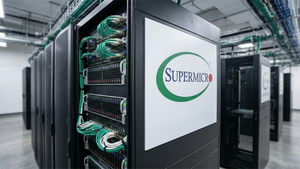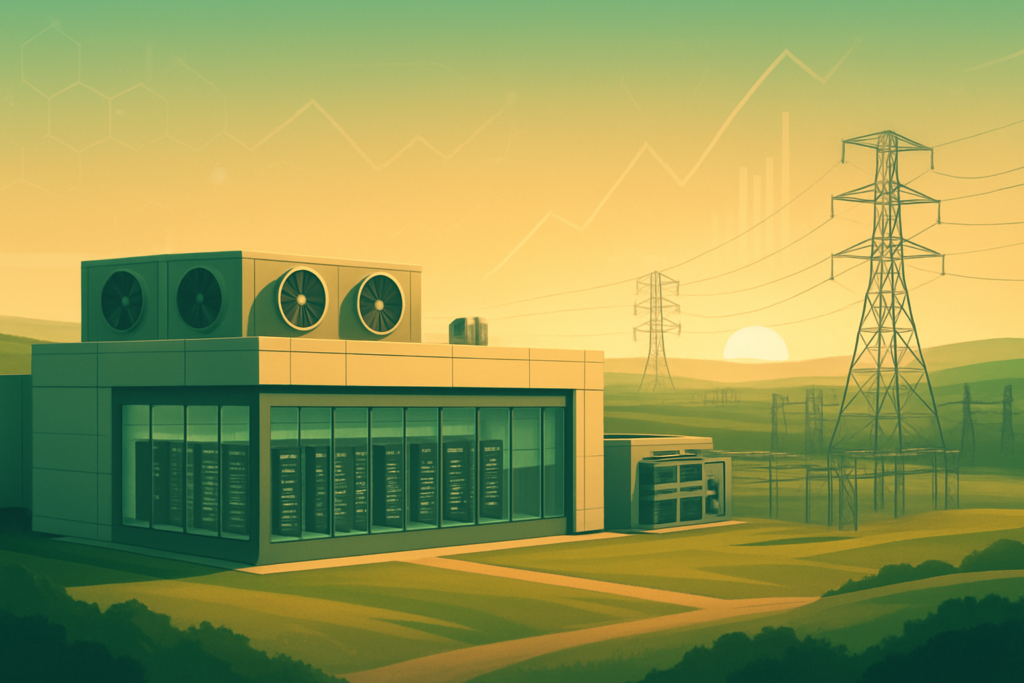
As of March 2, 2026, the digital asset landscape has evolved from a speculative frontier into a foundational layer of global computing infrastructure. At the heart of this transition stands Riot Platforms, Inc. (NASDAQ: RIOT), a company that has spent the last decade navigating the volatile cycles of Bitcoin while quietly building one of the most formidable power and engineering moats in North America. Once viewed purely as a proxy for the price of Bitcoin, Riot is now increasingly recognized as a sophisticated energy infrastructure and High-Performance Computing (HPC) player. With its massive footprint in Texas and a strategic pivot into Artificial Intelligence (AI) hosting, Riot finds itself at a critical valuation inflection point, challenging the traditional boundaries of what a "crypto miner" can be.
Historical Background
The story of Riot Platforms is one of the most dramatic corporate reinventions in recent history. Founded in 2000 as Venice Beach Biotech and later renamed Bioptix, the company originally focused on molecular diagnostic tools. However, in October 2017, amid the first major retail Bitcoin surge, the company underwent a radical transformation, rebranding as Riot Blockchain. This pivot was initially met with skepticism and regulatory scrutiny, but it allowed the company to secure an early-mover advantage in industrial-scale mining.
Over the years, Riot moved away from a fragmented mining strategy toward a model of vertical integration. The acquisition of North America’s largest Bitcoin mining facility, Whinstone US, in 2021, and the engineering firm ESS Metron shortly after, provided the company with the physical and technical infrastructure to control its own destiny. In 2023, the company dropped "Blockchain" from its name in favor of "Platforms" to reflect its broadening scope into diversified data center operations.
Business Model
Riot operates a vertically integrated business model across three primary segments:
- Bitcoin Mining: The core legacy business involves the operation of high-performance ASICs (Application-Specific Integrated Circuits) to secure the Bitcoin network. Riot earns Bitcoin rewards and transaction fees, which it either holds on its balance sheet or liquidates to fund operations.
- Engineering: Through its subsidiaries, ESS Metron and E4A Solutions (acquired in December 2024), Riot designs and manufactures mission-critical electrical equipment. This segment provides the switchgear and power distribution units necessary for large-scale data centers, allowing Riot to bypass external supply chain bottlenecks that plague its competitors.
- Data Center Hosting & HPC: This is the company's newest and fastest-growing frontier. Riot leverages its vast power capacity (over 1.7 GW in total pipeline) to host third-party hardware. Most notably, in early 2026, Riot began repurposing significant portions of its capacity for AI and HPC hosting, moving toward a "Power-as-a-Service" model.
Stock Performance Overview
Riot's stock performance has historically been characterized by high beta and extreme volatility, often magnifying the moves of Bitcoin.
- 1-Year Performance: Over the past twelve months, RIOT has outperformed many peer miners as the market began pricing in the value of its AI pivot. While the "halving" in April 2024 initially dampened sentiment, the stock rallied in late 2025 following a landmark lease agreement with Advanced Micro Devices, Inc. (NASDAQ: AMD).
- 5-Year Performance: On a five-year horizon, RIOT has experienced a roller-coaster trajectory. From the 2021 highs near $70 to the 2022 "crypto winter" lows near $3, the stock has tested the resolve of long-term investors. However, those who held through the 2023 recovery and 2024-2025 expansion have seen a significant compounding of value.
- 10-Year Performance: Looking back to its biotech days, the 10-year chart is nearly unrecognizable. The transition to Bitcoin mining delivered a total return that vastly outperformed the broader S&P 500, though with standard deviations that few traditional portfolios could withstand.
Financial Performance
Riot entered 2026 on a strong financial footing. For the full year 2024, the company reported record revenue of $376.7 million. This momentum accelerated through 2025, with Q3 2025 revenue hitting an all-time high of $180.2 million and net income reaching $104.5 million ($0.26 per share).
As of early 2026, Riot maintains one of the strongest balance sheets in the industry, with approximately $1.3 billion in total liquidity, including cash and a treasury of over 18,000 BTC. While the cost to mine a single Bitcoin rose to approximately $46,324 in late 2025—due to increased network difficulty—Riot’s engineering revenue and energy credits from the Texas grid (ERCOT) have helped offset these operational costs, keeping the company's Adjusted EBITDA at record levels.
Leadership and Management
The company is led by CEO Jason Les, a veteran of the Bitcoin space who has been instrumental in the company’s shift toward infrastructure-heavy vertical integration. Les is supported by a newly appointed CFO, Jason Chung (effective March 1, 2026), whose investment banking background is expected to drive more aggressive M&A and capital market strategies.
The management team has earned a reputation for being "energy-first" thinkers. Their strategy involves maximizing the value of every megawatt under their control—whether that means mining Bitcoin when prices are high or selling power back to the grid during peak demand in Texas. This "demand response" strategy has become a cornerstone of their governance and operational excellence.
Products, Services, and Innovations
Riot’s competitive edge lies in its innovation in cooling and power management:
- Immersion Cooling: Riot was an early adopter of industrial-scale immersion cooling, which involves submerging miners in a specialized dielectric fluid to dissipate heat more efficiently than air cooling. This extends hardware life and allows for higher hash rates.
- The Corsicana Facility: This 1.0 GW-approved site in Texas is a marvel of modern engineering. Phase I (400 MW) is fully energized, and the company is currently building out "core and shell" infrastructure for its first dedicated AI data centers.
- Proprietary Software: Riot utilizes custom-built fleet management software to optimize the performance of its 38.5 EH/s (Exahash per second) fleet, ensuring maximum uptime and efficiency.
Competitive Landscape
The Bitcoin mining sector remains fiercely competitive. Riot’s primary rivals include:
- Marathon Digital Holdings, Inc. (NASDAQ: MARA): Marathon remains the leader in pure hash rate capacity (currently ~60 EH/s) and Bitcoin treasury size, but it lacks Riot’s level of vertical integration and engineering manufacturing.
- CleanSpark, Inc. (NASDAQ: CLSK): Known for its high efficiency (16.0 J/TH), CleanSpark has been a top performer in the post-halving environment, though it operates at a smaller total power scale than Riot.
- Core Scientific, Inc. (NASDAQ: CORZ): After emerging from restructuring, Core Scientific has aggressively pursued the HPC/AI hosting space, serving as a primary competitor and blueprint for Riot’s own AI aspirations.
Industry and Market Trends
Two dominant trends are currently shaping Riot’s world:
- The Convergence of AI and Crypto: Data centers are facing a global power shortage. Bitcoin miners, who already control massive power interconnections, are the natural partners for AI firms desperate for "plug-and-play" capacity.
- Efficiency Post-Halving: The April 2024 halving cut mining rewards in half, forcing the industry into an "efficiency arms race." Only companies with the lowest power costs and most efficient machines (like the S21 series) can remain profitable at higher network difficulties.
Risks and Challenges
Despite its strengths, Riot faces significant headwinds:
- Bitcoin Price Volatility: A sustained drop in Bitcoin’s price remains the most acute risk to Riot’s core revenue and the value of its BTC treasury.
- Operational Execution: Transitioning from Bitcoin mining to AI hosting requires a different technical skill set and significantly higher capital expenditures for "Tier 3" data center specifications.
- Network Difficulty: As global hash rates rise, the "share" of Bitcoin each miner receives decreases, requiring constant investment in new hardware just to maintain current production levels.
Opportunities and Catalysts
Looking ahead into 2026, several catalysts could drive the stock:
- Hyperscale Hosting Deals: Rumors persist that Riot is in talks for a massive 600 MW hosting agreement at its Corsicana site. A deal of this scale would likely trigger a massive "re-rating" of the stock toward data center multiples.
- Hash Rate Expansion: Riot is on track to hit 45 EH/s by the end of Q1 2026, which would keep it in the top tier of global producers.
- M&A Potential: With over $1.3 billion in liquidity, Riot is well-positioned to acquire smaller, distressed miners or additional engineering firms.
Investor Sentiment and Analyst Coverage
Wall Street remains largely bullish on Riot. The consensus rating is a "Strong Buy," with a median price target of $26.00. Institutional ownership is high at 74%, led by The Vanguard Group and BlackRock, Inc. (NYSE: BLK).
In recent months, activist pressure from Starboard Value LP has encouraged management to lean harder into the AI/HPC pivot. This has shifted the narrative from "Riot as a Bitcoin play" to "Riot as a 1-Gigawatt power asset," attracting a broader base of infrastructure-focused investors.
Regulatory, Policy, and Geopolitical Factors
Riot’s operations are heavily influenced by the regulatory climate in Texas. The company has benefited from the state's pro-business stance and the unique structure of the ERCOT grid. However, increased scrutiny over the environmental impact of large-scale data centers remains a concern.
On the federal level, the U.S. government’s stance on digital assets continues to fluctuate. While the approval of Bitcoin ETFs in 2024 provided institutional legitimacy, potential tax changes or energy consumption mandates could still impact Riot's long-term cost structure.
Conclusion
Riot Platforms is no longer just a Bitcoin miner; it is a critical infrastructure provider for the digital age. By securing massive power capacity, manufacturing its own engineering components, and pivoting into the high-growth AI hosting market, Riot has built a business model designed for resilience.
Investors should watch for two key milestones in the coming year: the successful integration of the AMD AI lease and the continued expansion of the Corsicana facility. While the stock will likely remain sensitive to Bitcoin’s price in the short term, its long-term value will increasingly be defined by its ability to monetize its 1.7 GW power pipeline. For those who believe in the dual secular trends of decentralized finance and artificial intelligence, Riot Platforms presents a unique, albeit volatile, gateway to both.
This content is intended for informational purposes only and is not financial advice.