Scottsdale, Arizona--(Newsfile Corp. - January 28, 2026) - For decades, fat grafting has occupied an uneasy space in aesthetic surgery. Widely used and heavily marketed, the technique has relied on mechanical processing methods that treat fat as material rather than living tissue. Defyne Plastic Surgery is changing that paradigm with EVFT, or Enhanced Viability Fat Transfer, a next-generation approach that applies biologic preservation science to fat grafting for the first time at scale.
Traditional fat grafting methods focus on washing or spinning harvested fat to separate it from blood, oil, and debris. While effective at cleaning the graft, these techniques expose fragile fat cells to mechanical stress, damaging cell membranes and leading to inconsistent long-term survival. As a result, retention rates have historically hovered between 30 and 60 percent, forcing surgeons to overcorrect volume and patients to accept variability as inevitable.
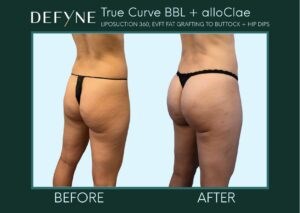
Image 1
EVFT fundamentally changes that equation by prioritizing cell protection and viability throughout processing. Using a surfactant-based, membrane-stabilizing solution rooted in decades of use across delicate human tissues, EVFT preserves the structural integrity of fat cells during preparation. This allows transplanted fat to integrate more effectively, establish blood supply, and maintain volume over time.
"For years, fat grafting has been treated like a mechanical process," said Dr. Oren Tessler, MD, a board-certified plastic, reconstructive microsurgeon and founder of Defyne Plastic Surgery. "But fat is living tissue. If you damage it before transfer, it cannot survive. EVFT applies the same biologic logic we use in other tissue transplants, and the results are fundamentally different."
The science behind EVFT is grounded in Harvard-led research and multi-center human trials that study how delicate human tissues are preserved during transplantation. For decades, surfactant-based solutions have been used in fields like pulmonary and transplant medicine to protect fragile cells. These solutions stabilize cell membranes, reduce cellular stress during handling, and gently remove impurities without damaging healthy tissue. When applied to fat grafting, this shifts preparation from a process that harms cells to one that actively protects them, allowing the fat to survive and perform as living tissue.
How EVFT fundamentally changes fat grafting:
Cell viability: A surfactant-based preservation solution stabilizes fat cell membranes during processing, reducing mechanical and oxidative damage.
- Retention: Long-term fat survival rates exceeding 80 percent significantly reduce volume loss and variability.
- Predictability: Higher viability eliminates the need for overcorrection and repeat procedures.
- Integration: Healthier fat establishes blood supply more reliably, allowing transplanted tissue to behave as living graft rather than filler.
- Outcomes: Results look softer, more natural, and last longer compared to traditional fat grafting methods.
"When fat survival becomes predictable, everything changes," Tessler said. "We can sculpt with confidence instead of compensating for loss. Patients get results that look natural, age better, and do not require repeated procedures."
Defyne Plastic Surgery selected EVFT as a signature procedure because it reflects the practice's core philosophy of blending surgical artistry with precision, predictability, and smarter science. The Defyne team was directly involved in clinical research evaluating advanced fat grafting techniques, and EVFT aligned with what the data consistently showed. Healthier cells produce better outcomes.
Patients are most commonly using EVFT for breast enhancement, Brazilian Butt Lift procedures, and facial rejuvenation, as demand grows for biocompatible alternatives to implants and synthetic fillers. With improved retention and consistency, fat has become a reliable tool for restoring volume, refining contour, and improving tissue quality while maintaining a soft, natural look and feel.
"Trends come and go," Tessler said. "Biology does not. EVFT allows us to work with the body instead of against it. That is where the future of fat grafting lives."
For more information, visit DefyneMD.com.
More about Dr. Tessler and Defyne Plastic Surgery:
Dr. Oren Tessler, MD, is a board-certified plastic and reconstructive microsurgeon, and the founder of Defyne Plastic Surgery, a Phoenix and Scottsdale-based practice transforming plastic surgery through minimally invasive, technology-driven solutions. Known for the proprietary Defyne Method, Dr. Tessler delivers personalized, regenerative results without general anesthesia, which allows for less downtime and natural-looking outcomes tailored to each patient's goals. With an MD/MBA from McGill University and advanced training at Harvard's Massachusetts General Hospital, Dr. Tessler blends surgical expertise with scientific innovation. His career includes more than 30 peer-reviewed publications, contributions such as the first complete hand transplant at Massachusetts General, and a nomination to the American Society of Plastic Surgeons' National Autologous Breast Reconstruction Workgroup. At Defyne, he empowers patients through a holistic, anatomy-first approach to aesthetic care. For more information, visit DefyneMD.com.
Media Contact Information
Holly Morgan
holly@hollymorganmedia.com
To view the source version of this press release, please visit https://www.newsfilecorp.com/release/281794