In May 2024, OpenAI, backed heavily by Microsoft Corp. (NASDAQ: MSFT), unveiled GPT-4o—short for "omni"—a model that fundamentally altered the trajectory of artificial intelligence. By moving away from fragmented pipelines and toward a unified, end-to-end neural network, GPT-4o introduced the world to a digital assistant that could not only speak with the emotional nuance of a human but also "see" and interpret the physical world in real-time. This milestone marked the beginning of the "Multimodal Era," transitioning AI from a text-based tool into a perceptive, conversational companion.
As of late 2025, the impact of GPT-4o remains a cornerstone of AI history. It was the first model to achieve near-instantaneous latency, responding to audio inputs in as little as 232 milliseconds—a speed that matches human conversational reaction times. This breakthrough effectively dissolved the "uncanny valley" of AI voice interaction, enabling users to interrupt the AI, ask it to change its emotional tone, and even have it sing or whisper, all while the model maintained a coherent understanding of the visual context provided by a smartphone camera.
The Technical Architecture of a Unified Brain
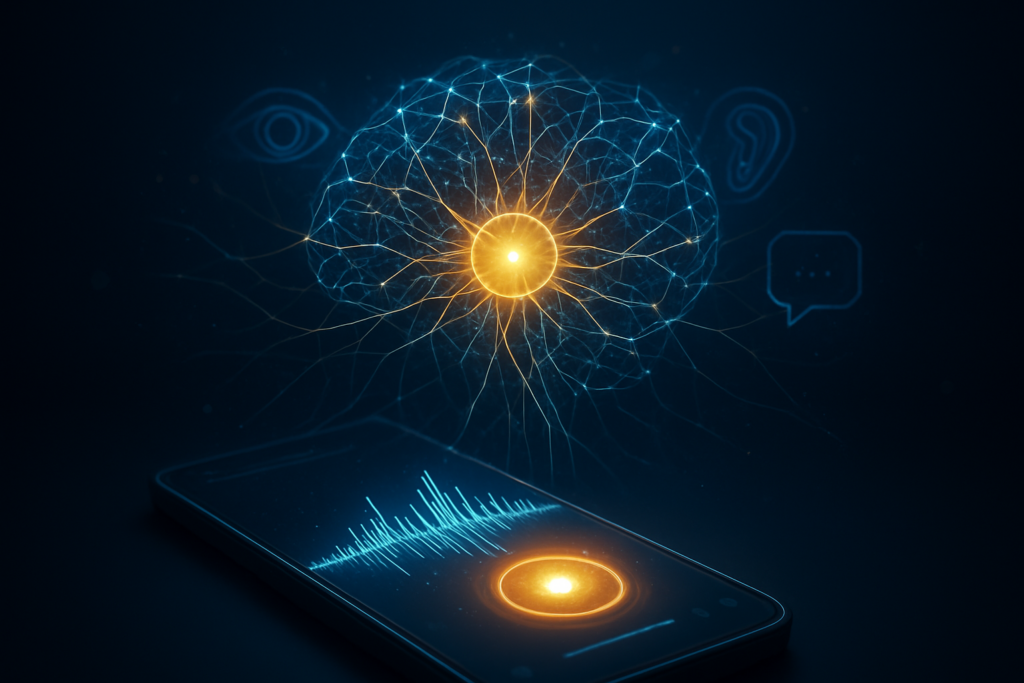
Technically, GPT-4o represented a departure from the "Frankenstein" architectures of previous AI systems. Prior to its release, voice interaction was a three-step process: an audio-to-text model (like Whisper) transcribed the speech, a large language model (like GPT-4) processed the text, and a text-to-speech model generated the response. This pipeline was plagued by high latency and "intelligence loss," as the core model never actually "heard" the user’s tone or "saw" their surroundings. GPT-4o changed this by being trained end-to-end across text, vision, and audio, meaning a single neural network processes all information streams simultaneously.
This unified approach allowed for unprecedented capabilities in vision and audio. During its initial demonstrations, GPT-4o was shown coaching a student through a geometry problem by "looking" at a piece of paper through a camera, and acting as a real-time translator between speakers of different languages, capturing the emotional inflection of each participant. The model’s ability to generate non-verbal cues—such as laughter, gasps, and rhythmic breathing—made it the most lifelike interface ever created. Initial reactions from the research community were a mix of awe and caution, with experts noting that OpenAI had finally delivered the "Her"-like experience long promised by science fiction.
Shifting the Competitive Landscape: The Race for "Omni"
The release of GPT-4o sent shockwaves through the tech industry, forcing competitors to pivot their strategies toward real-time multimodality. Alphabet Inc. (NASDAQ: GOOGL) quickly responded with Project Astra and the Gemini 2.0 series, emphasizing even larger context windows and deep integration into the Android ecosystem. Meanwhile, Apple Inc. (NASDAQ: AAPL) solidified its position in the AI race by announcing a landmark partnership to integrate GPT-4o directly into Siri and iOS, effectively making OpenAI’s technology the primary intelligence layer for billions of devices worldwide.
The market implications were profound for both tech giants and startups. By commoditizing high-speed multimodal intelligence, OpenAI forced specialized voice-AI startups to either pivot or face obsolescence. The introduction of "GPT-4o mini" later in 2024 further disrupted the market by offering high-tier intelligence at a fraction of the cost, driving a massive wave of AI integration into everyday applications. Nvidia Corp. (NASDAQ: NVDA) also benefited immensely from this shift, as the demand for the high-performance compute required to run these real-time, end-to-end models reached unprecedented heights throughout 2024 and 2025.
Societal Impact and the "Sky" Controversy
GPT-4o’s arrival was not without significant friction, most notably the "Sky" voice controversy. Shortly after the launch, actress Scarlett Johansson accused OpenAI of mimicking her voice without permission, despite her previous refusal to license it. This sparked a global debate over "voice likeness" rights and the ethical boundaries of AI personification. While OpenAI paused the specific voice, the event highlighted the potential for AI to infringe on individual identity and the creative industry’s livelihood, leading to new legislative discussions regarding AI personality rights in late 2024 and 2025.
Beyond legal battles, GPT-4o’s ability to "see" and "hear" raised substantial privacy concerns. The prospect of an AI that is "always on" and capable of analyzing a user's environment in real-time necessitated a new framework for data security. However, the benefits have been equally transformative; GPT-4o-powered tools have become essential for the visually impaired, providing a "digital eye" that describes the world with human-like empathy. It also set the stage for the "Reasoning Era" led by OpenAI’s subsequent o-series models, which combined GPT-4o's speed with deep logical "thinking" capabilities.
The Horizon: From Assistants to Autonomous Agents
Looking toward 2026, the evolution of the "Omni" architecture is moving toward full autonomy. While GPT-4o mastered the interface, the current frontier is "Agentic AI"—models that can not only talk and see but also take actions across software environments. Experts predict that the next generation of models, including the recently released GPT-5, will fully unify the real-time perception of GPT-4o with the complex problem-solving of the o-series, creating "General Purpose Agents" capable of managing entire workflows without human intervention.
The integration of GPT-4o-style capabilities into wearable hardware, such as smart glasses and robotics, is the next logical step. We are already seeing the first generation of "Omni-glasses" that provide a persistent, heads-up AI layer over reality, allowing the AI to whisper directions, translate signs, or identify objects in the user's field of view. The primary challenge remains the balance between "test-time compute" (thinking slow) and "real-time interaction" (talking fast), a hurdle that researchers are currently addressing through hybrid architectures.
A Pervasive Legacy in AI History
GPT-4o will be remembered as the moment AI became truly conversational. It was the catalyst that moved the industry away from static chat boxes and toward dynamic, emotional, and situational awareness. By bridging the gap between human senses and machine processing, it redefined what it means to "interact" with a computer, making the experience more natural than it had ever been in the history of computing.
As we close out 2025, the "Omni" model's influence is seen in everything from the revamped Siri to the autonomous customer service agents that now handle the majority of global technical support. The key takeaway from the GPT-4o era is that intelligence is no longer just about the words on a screen; it is about the ability to perceive, feel, and respond to the world in all its complexity. In the coming months, the focus will likely shift from how AI talks to how it acts, but the foundation for that future was undeniably laid by the "Omni" revolution.
This content is intended for informational purposes only and represents analysis of current AI developments.
TokenRing AI delivers enterprise-grade solutions for multi-agent AI workflow orchestration, AI-powered development tools, and seamless remote collaboration platforms.
For more information, visit https://www.tokenring.ai/.