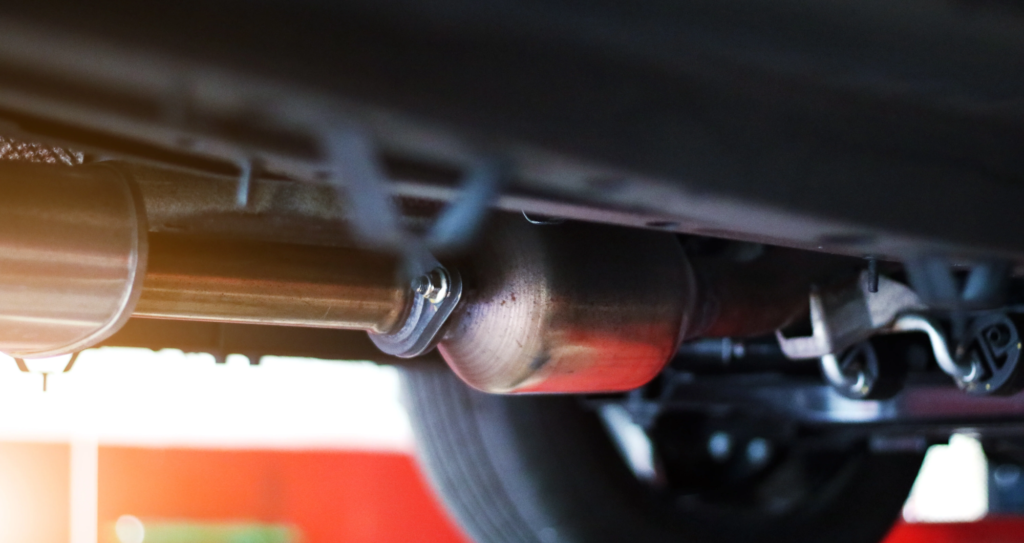
Maintaining high-performance output while complying with ever-tougher environmental regulations is a dual challenge for modern industrial operations. The technology used to treat exhaust gases has changed from basic noise reduction to sophisticated chemical filtration as the world’s attention turns to lowering the carbon footprint of heavy-duty machinery. The catalytic muffler, a specialized part intended to fulfill two functions within an engine’s exhaust system, is one of the most useful tools in this category. By incorporating a catalytic converter’s functionality right into the silencer body, these units offer an efficient way to eliminate dangerous pollutants without requiring a lot of space or complicated retrofitting.
The three-way catalytic technology is still the best option for engines that run on natural gas, propane, or gasoline. Carbon monoxide (CO), hydrocarbons (HC), and nitrogen oxides (NOx) are the three main pollutants that this system is designed to simultaneously address. The exhaust gases travel through a substrate coated with precious metals like rhodium, palladium, and platinum inside the housing. By acting as catalysts, these metals cause chemical reactions that change harmful gases into safer compounds like carbon dioxide (CO2), nitrogen, and water vapor. Even older equipment can be brought up to current safety standards thanks to the effectiveness of a catalytic muffler, especially in settings where air quality is a major concern.
The use of this integrated design in cramped areas is one of its biggest benefits. The buildup of exhaust fumes can directly endanger the health of workers in sectors like mining, tunneling, and indoor warehousing. Conventional mufflers do not alter the chemical makeup of the exhaust; they merely reduce engine noise. An integrated catalyst system, on the other hand, starts working as soon as it reaches its “light-off” temperature, greatly lowering the concentration of toxins and irritants in the machine’s immediate vicinity. Because of this, it is a necessary upgrade for stationary generators, floor scrubbers, and forklifts that operate in enclosed spaces.
Durability is also a top priority in the engineering of these parts. Standard automotive-grade converters may prematurely fail due to the extreme thermal stress and high vibration levels that industrial engines frequently experience. To guarantee a long service life even under the most severe circumstances, heavy-duty models are built with sturdy stainless steel housings and reinforced internal structures. Additionally, low backpressure is maintained through optimization of the design. A well-designed catalytic muffler strikes a balance between high-flow characteristics and maximum surface area for chemical contact, ensuring the engine breathes freely while remaining clean. Excessive backpressure can cause engine overheating and decreased fuel efficiency.
Integrated units also make monitoring and maintenance easier. Temperature probes or oxygen sensors can be installed directly into the muffler body of many contemporary systems. Fleet managers can use this data to track the catalyst’s condition and the engine’s combustion efficiency in real time. The catalyst’s performance will change if an engine is operating too “rich” or too “lean,” giving an early warning that the fuel system needs to be adjusted. In addition to prolonging the life of the emission control hardware, this proactive maintenance strategy also avoids future expensive engine repairs. The need for dependable retrofitting solutions is rising as environmental regulations continue to tighten in different jurisdictions.
It is frequently not financially feasible for businesses overseeing a diverse fleet of older equipment to replace every machine with a Tier 4 compliant model. By installing a high-quality catalytic muffler, businesses can meet local air quality regulations and corporate social responsibility objectives while extending the life of their current assets at a reasonable cost. It is a useful union of chemistry and acoustics that guarantees industrial advancement does not compromise human health or the environment.9